
TMP UNIVERSAL JOURNAL OF LAW, BUSINESS, AND MANAGEMENT
LGBTIQA+ Rights and Indian Law: From Section 377 to Constitutional Protections – Gaps in Marriage, Inheritance, Property, and Insurance Laws

1*Kirti Tomer, 2Bharat Chauhan
1*Department of Pharmaceutics, Assistant Professor, Modern Institute of Pharmaceutical Sciences, Indore, M.P., India, 452020; 2Department of Pharmaceutical Chemistry, Scholar of M. Pharm, Swami Vivekanand College of Pharmacy (SVCP), Indore, M.P., India, 452020;
Corresponding Author: Kirti Tomer; Email: Kirtitomer@moderninstitutes.net
ABSTRACT
The legal landscape for the LGBTIQA+ community in India has undergone significant changes, particularly after the decriminalization of homosexuality with the reading down of Section 377 of the Indian Penal Code in 2018. While this was a historic step toward equality, numerous legal gaps persist in marriage, inheritance, property, and insurance rights. The Indian Constitution guarantees fundamental rights such as equality and non-discrimination; however, the lack of explicit legal recognition for same-sex marriages and civil unions denies LGBTIQA+ individuals’ crucial spousal benefits, including adoption and medical decision- making rights. Similarly, inheritance and property laws remain rooted in heteronormative structures, often excluding non-traditional families. Insurance policies and financial benefits are also largely inaccessible to LGBTIQA+ individuals due to restrictive legal definitions of dependents and beneficiaries. Despite progressive judicial pronouncements, legislative action remains slow, leaving many in legal limbo. This paper explores the evolution of LGBTIQA+ rights in India, the constitutional framework, and the existing legal voids that hinder equal access to marriage, inheritance, property, and insurance benefits. It also highlights the urgent need for comprehensive reforms to ensure the full legal inclusion of the LGBTIQA+ community.
Keywords: LGBTIQA+ Rights, Section 377, Indian Constitution, Marriage and Inheritance Laws, Legal Reforms
INTRODUCTION
The rights of the LGBTIQA+ community in India have been at the center of legal and social discourse in recent years. With the decriminalization of homosexuality following the landmark Supreme Court judgment in Navtej Singh Johar v. Union of India (2018), the country took a significant step towards recognizing the rights of sexual minorities. However, despite this
progress, the legal framework governing marriage, inheritance, property, and insurance continues to reflect a heteronormative structure, leaving members of the LGBTIQA+ community without essential legal protections.[1] The lack of explicit recognition of same-sex relationships in marriage laws, coupled with gaps in inheritance and financial security, exacerbates the social and economic vulnerabilities of the community. This paper examines the evolution of Section 377, the constitutional framework for LGBTIQA+ rights, and the challenges in marriage laws, highlighting the urgent need for comprehensive legal reforms.[2]
CORPORATE JOBS AS A CATALYST FOR GROWTH
Corporate jobs offer a well-structured platform for young professionals to develop skills and gain experience in competitive environments. They provide exposure to different business functions, enabling youth to understand industry dynamics and build professional networks.
Key Benefits of Corporate Jobs for Youth:
-
Skill Development – Corporate jobs equip employees with essential skills such as leadership, problem-solving, and teamwork.
-
Financial Security – A steady income allows young professionals to plan for their future, invest in further education, and secure their personal lives.
-
Career Progression – Many organizations provide structured career growth through promotions, skill-based incentives, and mentorship programs.
-
Networking Opportunities – Working in a corporate environment helps individuals build professional connections, which can be beneficial for future career transitions.
-
Exposure to Industry Trends – Employees gain first-hand experience in business strategies, market trends, and technological advancements. [4, 5]
Statistical Overview of Youth in Corporate Employment:
The table 1 below provides an overview of corporate employment rates among youth across different regions.
Table 1: Youth Employment in Corporate Sector (2023)
|
Region |
Youth Employment (%) |
Average Salary (USD) |
Job Satisfaction (%) |
|
North America |
65 |
50,000 |
72 |
|
Europe |
60 |
45,000 |
70 |
|
Asia |
55 |
30,000 |
65 |
|
Africa |
40 |
15,000 |
50 |
|
Latin America |
50 |
20,000 |
55 |
Source: Global Youth Employment Report (2023)
The data highlights regional variations in corporate employment trends. North America and Europe offer higher wages and job satisfaction levels, whereas developing regions like Africa and Latin America struggle with lower salaries and limited corporate opportunities.[6]
THE SACRIFICES OF CORPORATE LIFE
Despite offering career growth, corporate jobs demand sacrifices, often leading to burnout, stress, and limited personal time.
Challenges Faced by Young Professionals in Corporate Jobs
-
Work-Life Imbalance – Many corporate jobs require long hours, making it difficult for employees to maintain personal relationships and pursue hobbies.
-
High-Stress Environment – Meeting deadlines, handling workplace competition, and achieving targets contribute to mental and emotional stress.
-
Creativity Suppression – In many cases, corporate roles emphasize efficiency over innovation, leaving little room for creative thinking.
-
Job Insecurity – Economic downturns, automation, and corporate restructuring can lead to job losses, making stability uncertain.
-
Health Concerns – Prolonged working hours, lack of physical activity, and stress contribute to mental and physical health issues. [7, 8]
Work-Life Balance in Corporate Jobs:
The table 2 illustrates the average work hours and their impact on work-life balance among young professionals.
Table 2: Work Hours and Job Satisfaction Among Youth (2023)
|
Work Hours/Week |
Percentage of Employees (%) |
Job Satisfaction (%) |
Health Issues Reported (%) |
|
30-40 |
35 |
80 |
20 |
|
41-50 |
40 |
65 |
35 |
|
51-60 |
20 |
50 |
50 |
|
60+ |
5 |
30 |
70 |
Source: Corporate Work-Life Balance Survey (2023)
As seen above, employees working longer hours report lower job satisfaction and higher health-related issues, emphasizing the need for better work-life balance strategies. [9]
STABILITY VS. PASSION: THE YOUTH DILEMMA
Many young professionals enter corporate jobs for stability but often struggle to balance their careers with personal aspirations. The fear of financial insecurity prevents some from taking risks to pursue their true passions.
Key Dilemmas Faced by Young Professionals:
-
Financial Security vs. Career Fulfillment – While corporate jobs offer financial benefits, many employees feel unfulfilled in their roles.
-
Job Stability vs. Entrepreneurial Dreams – Some youth wish to start their own businesses but hesitate due to the risks involved.
-
Structured Growth vs. Creative Freedom – Corporate jobs provide clear career paths but may limit creative expression. [10, 11]
Youth Perspectives on Career Choices:
The following table 3 summarizes survey responses from young professionals regarding their career preferences.
Table 3: Career Preferences Among Young Professionals (2023)
|
Career Preference |
Percentage (%) |
Reasons Stated |
|
Corporate Job |
55 |
Financial stability, career growth |
|
Entrepreneurship |
25 |
Passion, creative freedom |
|
Freelancing |
15 |
Work-life balance, flexibility |
|
Other |
5 |
Personal reasons |
Source: Youth Career Aspirations Survey (2023)
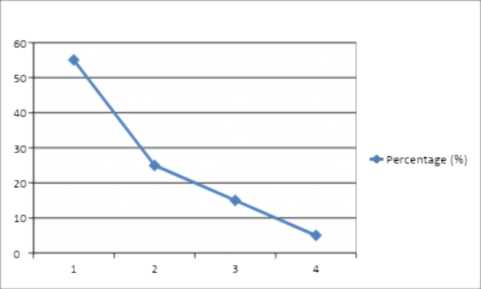
Figure 1: Percentage (%) of Career Preferences Among Young Professionals (2023)
While a majority of youth prefer corporate jobs for financial security, a significant portion aspires to be entrepreneurs or freelancers, seeking greater autonomy and creative expression. [12, 13]
CREATIVITY IN CORPORATE SPACES: NURTURED OR SUPPRESSED?
Creativity is an essential driver of innovation and progress in any industry. However, corporate environments often present a paradoxical relationship with creativity. While organizations claim to value innovation, structured processes, rigid hierarchies, and risk-averse cultures can stifle creative thinking. The extent to which corporate jobs nurture or suppress creativity depends on company culture, leadership support, and the balance between routine tasks and creative freedom.[14]
Corporate jobs, by nature, are structured to maximize efficiency and minimize uncertainty. Employees are often assigned specific roles with clearly defined expectations, leaving limited space for unconventional thinking. However, some corporations have recognized the need for innovation and have established dedicated research and development (R&D) teams, innovation labs, and flexible work policies to foster creativity.[15]
Factors Influencing Creativity in Corporate Workplaces:
Creativity in corporate environments is influenced by several factors, including workplace culture, leadership style, and employee autonomy. Table 4 provides an overview of these factors and their impact on creativity.
Table 4: Factors Influencing Creativity in Corporate Jobs
|
Factor |
Positive Impact on Creativity |
Negative Impact on Creativity |
|
Leadership Style |
Encourages new ideas, risk- taking, and experimentation |
Rigid top-down control limits individual creative contributions |
|
Workplace Culture |
Open communication, collaboration, & brainstorming sessions |
Bureaucratic processes and excessive regulations suppress innovation |
|
Employee Autonomy |
Freedom to explore new ideas and work on passion projects |
Micromanagement and lack of decision-making power hinder creativity |
|
Workload & Deadlines |
Encourages efficient problem- solving under pressure |
Excessive workload leaves little time for creative exploration |
|
Recognition & Rewards |
Encourages employees to innovate and think outside the box |
Lack of incentives discourages creative efforts |
Many large corporations, such as Google and 3M, have implemented strategies like "20% time" policies, allowing employees to dedicate a portion of their workweek to passion projects. Such initiatives have led to the development of innovative products, including Gmail and Post-it Notes. However, in more traditional corporate environments, employees are often restricted by strict deadlines and risk-averse management, which can limit their ability to think creatively. [16, 17]
The Role of Workplace Design in Fostering Creativity:
The physical work environment also plays a role in nurturing creativity. Many innovative companies have adopted open-office layouts, breakout spaces, and collaborative workstations to encourage brainstorming and teamwork. Table 5 highlights the differences between traditional and creative workspaces and their impact on employee innovation.[18]
Table 5: Traditional vs. Creative Workspaces
|
Workspace Type |
Characteristics |
Impact on Creativity |
|
Traditional Office |
Cubicles, strict hierarchy, limited interaction |
Restricts collaboration and spontaneous idea-sharing |
|
Open Office |
Shared spaces, informal discussions, transparency |
Encourages teamwork and free- flowing ideas |
|
Flexible Workspaces |
Remote work options, hot desks, collaborative zones |
Allows employees to work in environments that enhance their creativity |
|
Innovation Labs |
Dedicated spaces for brainstorming and prototyping |
Fosters experimentation and rapid innovation |
Balancing Creativity with Productivity:
While corporations need efficiency and structure to function effectively, they must also find ways to encourage creative thinking. Companies that strike this balance see higher employee satisfaction and improved problem-solving capabilities. Encouraging cross-functional collaboration, providing autonomy, and integrating creative brainstorming sessions into daily work can help organizations maintain both productivity and innovation.[19]
YOUTH EXPERIENCES AND PERSPECTIVES
The impact of corporate jobs on youth varies widely based on industry, work culture, and
personal aspirations. Some young professionals thrive in structured environments that provide growth opportunities, while others struggle with the rigid nature of corporate life. Understanding their perspectives helps identify trends and challenges in the modern workforce.[20]
Corporate Job Satisfaction Among Youth:
Young professionals enter corporate jobs with diverse expectations, ranging from financial stability to opportunities for skill development. However, their actual experiences often differ. Table 6 presents survey data on youth satisfaction in corporate jobs.[21]
Table 6: Youth Satisfaction in Corporate Jobs (2023 Survey)
|
Satisfaction Level |
Percentage of Respondents (%) |
Common Reasons Stated |
|
Highly Satisfied |
25 |
Career growth, supportive work culture, learning opportunities |
|
Moderately Satisfied |
40 |
Stability, decent pay, but lack of creative freedom |
|
Dissatisfied |
25 |
Long hours, lack of work-life balance, high stress |
|
Highly Dissatisfied |
10 |
Toxic work culture, no career progression, creativity suppression |
A significant portion of young employees feel constrained by corporate structures, particularly those with creative aspirations. The fear of job instability and financial constraints often prevent them from exploring alternative career paths.[22]
Work-Life Balance Challenges for Young Professionals:
Many young professionals struggle with maintaining a balance between professional responsibilities and personal aspirations. Table 7 highlights common challenges faced by corporate employees under 30.
Table 7: Challenges Faced by Young Corporate Employees
|
Challenge |
Percentage of Employees Affected (%) |
|
Long working hours |
65 |
|
Limited time for hobbies |
50 |
|
High workplace stress |
55 |
|
Lack of personal development opportunities |
40 |
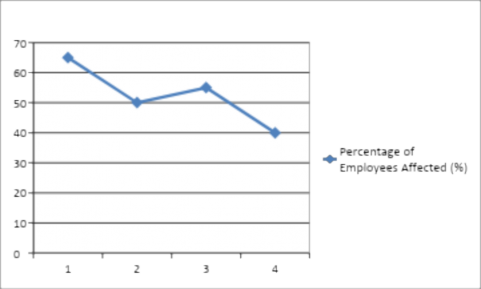
Figure 2: Challenges Faced by Young Corporate Employees
These figures indicate that despite the benefits of corporate jobs, many young professionals struggle to maintain a fulfilling personal life alongside their career. Organizations must recognize these challenges and implement strategies to improve work-life balance and job satisfaction. [23, 24, 25]
STRIKING A BALANCE: STRATEGIES FOR GROWTH AND PASSION
To ensure that corporate jobs remain fulfilling for youth while fostering creativity, both employees and employers must take proactive steps.
For Employers:
-
Encourage Flexible Work Arrangements – Remote work and flexible hours can help employees maintain a work-life balance.
-
Invest in Professional Development – Providing learning opportunities and mentorship programs can keep employees engaged.
-
Create Innovation-Friendly Workspaces – Designing open, collaborative spaces can foster creative problem-solving.
-
Recognize and Reward Creativity – Incentives for innovative contributions can motivate employees to think outside the box.[26]
For Employees:
-
Set Career Goals – Identifying personal and professional objectives helps maintain motivation.
-
Pursue Passion Projects Outside Work – Allocating time for hobbies and side projects keeps creativity alive.
-
Seek Creative Roles – Exploring job opportunities in industries that value innovation can lead to greater satisfaction.
-
Prioritize Mental Well-Being – Maintaining a work-life balance and practicing stress management techniques is essential.
Organizations that adopt employee-friendly policies and individuals who actively pursue their passions alongside their careers can strike a balance between professional growth and personal
fulfillment.[27]
CONCLUSION
The relationship between corporate jobs and youth aspirations remains complex. While corporate employment offers financial stability and career advancement, it often comes at the cost of creativity and personal time. Companies that provide flexible, innovation-driven environments see higher employee satisfaction and productivity. The future of corporate work will likely involve more emphasis on work-life balance, remote work options, and creative freedom. As industries evolve, organizations that prioritize employee well-being and innovation will attract and retain top talent. For young professionals, the key lies in making informed career choices that align with both financial needs and personal passions. By embracing a balanced approach, they can navigate corporate careers without compromising their creativity and aspirations.
The corporate world is changing, and with it, the opportunities for young professionals to thrive in both structured and creative capacities. By fostering a culture of innovation and personal development, the future of corporate work can be one where stability and passion coexist.
REFERENCES
-
Zhang, X., & Zhou, J. (2014). Empowering leadership, uncertainty avoidance, trust, and employee creativity: Interaction effects and a mediating mechanism. Organizational Behavior and Human Decision Processes, 124(2), 150–164. https://doi.org/10.1016/j. obhdp.2014.02.002
-
Baumann, N., & Kuhl, J. (2002). Intuition, affect, and personality: Unconscious coherence judgments and self-regulation of negative affect. Journal of Personality and (5), 1213–1223. https://doi.org/10.1037/0022-3514.83.5.1213
-
Wan, M. M., Zhang, Y. J., & Shaffer, M. A. (2023). Your work passion travels a long way home: Testing a spillover and crossover model of work passion among dual-earner couples. Journal of Vocational Behavior, 147, 103940.
-
Vallerand, R. J., Houlfort, N., & Forest, J. (2014). Passion for work: Deter-minants and outcomes. In M. Gagné (Ed.), The Oxford handbook of work engagement, motivation, and self-determination theory (pp. 85–105). Oxford University Press.
-
Berg, J. M., Grant, A. M., & Johnson, V. (2010). When callings are calling: Crafting work and leisure in pursuit of unanswered occupational callings. Organization Science, (5), 973–994. https://doi.org/10.1287/orsc.1090.0497
-
Ten Brummelhuis, L. L., & Bakker, A. B. (2012). A resource perspective on the work home interface: The work–home resources model. American Psychologist, 67(7), 545
556. https://doi.org/10.1037/a0027974
-
Billett, S. (2011). Learning through work: Emerging perspectives and new challenges. Journal of Workplace Learning, 23 (4), 231–246. https://doi.org/10.1108/13665621111128679
-
Stroe, S., Wincent, J., & Parida, V. (2018). Untangling intense engagement in entrepre neurship: Role overload and obsessive passion in early-stage entrepreneurs. Journal of Business Research, 90, 59–66. https://doi.org/10.1016/j.jbusres.2018.04.040
-
Blustein, D. L. (2006). The psychology of working: A new perspective for career development, counseling, and public policy. Routledge.
-
Schmitt, A., Den Hartog, D. N., & Belschak, F. D. (2015). Is outcome responsibility at work emotionally exhausting? Investigating employee proactivity as a moderator. Journal of Occupational Health Psychology, 20(4), 491–500. https://doi.org/10.1037/ a0039011
-
Bono, J. E., & Judge, T. A. (2003). Core self-evaluations: A review of the trait and its role in job satisfaction and job performance. European Journal of Personality, 17 (S1), S5–S18. https://doi.org/10.1002/per.481
-
Russo, M., Buonocore, F., Carmeli, A., & Guo, L. (2018). When family supportive super visors meet employees’ need for caring: Implications for work–family enrichment and thriving. Journal of Management, 44(4), 1678–1702. https://doi.org/10.1177/ 0149206315618013
-
Briscoe, J. P., Hall, D. T., & DeMuth, R. L. F. (2006). Protean and boundaryless careers: An empirical exploration. Journal of Vocational Behavior, 69 (1), 30–47. https://doi.org/10.1016/j.jvb.2005.09.003
-
Rai, A., Kim, M., & Singh, S. K. (2023). Meaningful work from ethics perspective: Examination of ethical antecedents and outcomes of meaningful work. Journal of Business Research, 169, 114287. https://doi.org/10.1016/j.jbusres.2023.114287
-
Caza, B. B., Vough, H., & Puranik, H. (2018). Identity work in organizations and occupations: Definitions, theories, and pathways forward. Journal of Organizational (7), 889–910. https://doi.org/10.1002/job.2318
-
Ogbonnaya, C. (2019). Exploring possible trade-offs between organisational performance and employee well-being: The role of teamwork practices. Human Resource Management Journal, 29(3), 451–468. https://doi.org/10.1111/1748-
8583.12238
-
Chen, G., Ployhart, R. E., Thomas, H. C., Anderson, N., & Bliese, P. D. (2011). The power of momentum: A new model of dynamic relationships between job satisfaction change and turnover intentions. Academy of Management Journal, 54 (1), 159–181. https://doi.org/10.5465/amj.2011.59215089
-
Mageau, G. A., & Vallerand, R. J. (2007). The moderating effect of passion on the relation between activity engagement and positive affect. Motivation and Emotion, 31(4), 312–321. https://doi.org/10.1007/s11031-007-9071-z
-
Deci, E. L., & Ryan, R. M. (2000). The "what" and "why" of goal pursuits: Human needs and the self-determination of behavior. Psychological Inquiry, 11 (4), 227–268. https://doi.org/10.1207/S15327965PLI1104_01
-
Li, A., McCauley, K. D., & Shaffer, J. A. (2017). The influence of leadership behavior on employee work-family outcomes: A review and research agenda. Human Resource Management Review, 27(3), 458–472. https://doi.org/10.1016/j.hrmr.2017.02.003
-
Kubicek, B., Paškvan, M., & Korunka, C. (2015). Development and validation of an in strument for assessing job demands arising from accelerated change: The intensification of job demands scale (IDS). European Journal of Work and Organizational Psychology, 24(6), 898–913. https://doi.org/10.1080/1359432X.2014.979160
-
Demerouti, E., Bakker, A. B., Nachreiner, F., & Schaufeli, W. B. (2001). The job demands-resources model of burnout. Journal of Applied Psychology, 86 (3), 499–512. https://doi.org/10.1037/0021-9010.86.3.499
-
Duffy, R. D., Dik, B. J., & Steger, M. F. (2011). Calling and work-related outcomes: Career commitment as a mediator. Journal of Vocational Behavior, 78 (2), 210–218. https://doi.org/10.1016/j.jvb.2010.09.013
-
Eby, L. T., Butts, M., & Lockwood, A. (2003). Predictors of success in the era of the boundaryless career. Journal of Organizational Behavior, 24 (6), 689–708. https://doi.org/10.1002/job.214
-
Ho, V. T., Wong, S. S., & Lee, C. H. (2011). A tale of passion: Linking job passion and cognitive engagement to employee work performance. Journal of Management Studies, 48(1), 26–47. https://doi.org/10.1111/j.1467-6486.2009.00878.x
-
Fisher, G. G., Bulger, C. A., & Smith, C. S. (2009). Beyond work and family: A measure of work/nonwork interference and enhancement. Journal of Occupational Health Psychology, 14(4), 441–456. https://doi.org/10.1037/a0016737
-
Cavanaugh, M. A., Boswell, W. R., Roehling, M. V., & Boudreau, J. W. (2000). An
empirical examination of self-reported work stress among US managers. The Journal of Applied Psychology, 85(1), 65–74. https://doi.org/10.1037/0021-9010.85.1.65